
Why Do Roof Leaks Happen in Newfield, NY?
Roof leaks in Newfield, NY happen for a variety of reasons, but almost all can be traced back to a handful of causes familiar to homes in the area. Factors like our seasonal freeze-thaw cycles, common roof styles, and the mix of older and newer housing add up to specific points of vulnerability.
Local weather—including heavy snow, ice dams, wind, and rain—often accelerates wear or exposes weak spots that eventually lead to inside water stains, attic dampness, or steady drips.
How Does Damaged or Missing Shingles Lead to Leaks?
When shingles are cracked, curled, blown away, or missing, water has a direct path underneath the outer surface. In Newfield, especially after storms or harsh winters, it’s not rare to notice stray asphalt shingles on the ground or uneven patches on a roof. Aging or low-quality shingles are also less resilient to temperature swings and wind.
- Water entry points often appear around nails, lifted shingle edges, and exposed underlayment.
- Even a few missing shingles at the ridge or edge can undermine larger sections.
- Heavy rainstorms or runoff will exploit these vulnerable areas.
Routine checks after storms—and especially following winter thaws—can help spot these problems early before moisture works its way deeper.
Why Are Flashings So Critical—and So Commonly Leaky?
Flashings are thin strips of metal (sometimes rubber or plastic) placed around chimneys, skylights, roof valleys, and vent pipes to seal the joints where different materials meet. When these become loose, rusted, bent, or improperly sealed, water seeping in can go unnoticed until attic insulation or ceiling drywall shows stains or mold.
Common causes include:
- Old caulking breaking down in seasonal weather changes
- Wind lifting or bending flashing edges
- Fasteners pulling loose over time, especially with roof movement
Local homes with multiple roof penetrations or older renovations are especially prone to hidden leaks at flashing points.
How Do Clogged Gutters or Downspouts Cause Roof Leaks?
Gutters and downspouts direct rain and melting snow away from the roof and foundation. Blockages—common in the leaf-heavy autumns around Newfield—let water back up and pool at the roof edge. This can push moisture under shingles or behind fascia boards.
Key risks:
- Water dams backing up beneath the lowest shingles
- Overflow seeping into fascia and soffits, leading to rot inside walls or in the attic
- Winter blockages increasing the risk of ice dams and related leaks
Simple seasonal cleaning, paying special attention to downspout elbows and valleys prone to leaf collection, helps reduce these problems.
What Role Do Ice Dams Play in Local Roof Leaks?
Ice dams form when snow melts on a warm roof section, then refreezes at the colder overhang, creating a barrier that prevents proper drainage. Water backs up behind the ice, sneaking under shingles or through nail holes, particularly in homes with poor attic insulation or uneven roof ventilation.
Practical signs and risks:
- Water stains on exterior walls or directly below the eaves
- Icicles forming in clusters, indicating underlying blockages
- Repeated winter leaks even when the roof surface looks intact
Improving attic insulation and ventilation, along with safe snow removal, cuts down on ice dam-related leaks, which are among the trickiest to trace and repair.
Can Roof Age Alone Be the Culprit?
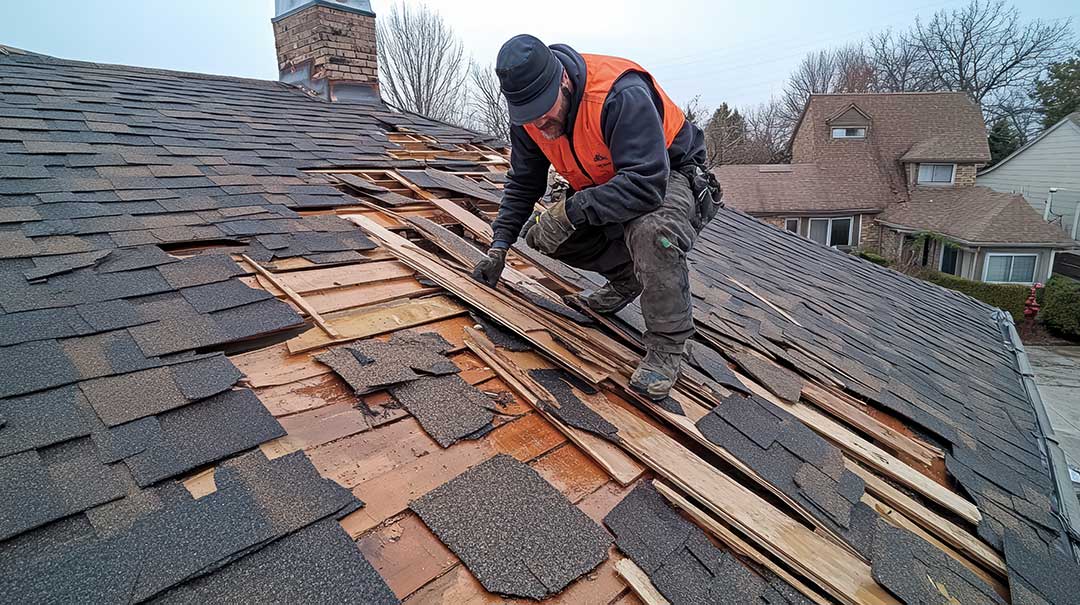
Older roofs in Newfield, including many restored farmhouses and vintage properties, naturally develop vulnerabilities over decades. Materials can become brittle and no longer shed water as designed—even if there is no obvious visible damage.
Common signs related to aging:
- Granule loss, with gritty material found in gutters or at downspouts
- Generalized curling or shrinking of shingles
- Worn-out underlayment losing its waterproofing qualities
Age-related leaks often begin quietly, manifesting first as minor attic moisture, before culminating in visible ceiling dampness.
Are Skylights, Vents, and Chimneys Areas of Concern?
Yes—any structure that interrupts the uniform surface of a roof is a potential leak source, especially when seals degrade or flashing shifts in response to Newfield’s seasonal temperature swings.
Important distinctions:
- Skylights with cracked or missing seals allow rainwater to seep in through the frame.
- Roof vents may leak if gaskets dry out or small animals pry up edges.
- Chimneys often leak around mortar joints or at interfaces with the main roof if flashing is not watertight.
Careful inspection of these areas after heavy wind or storms is especially important in homes with numerous roof penetrations.
What Common Misconceptions Delay Roof Leak Repairs?
Residents sometimes believe leaks will fix themselves or only matter if a drip is visible indoors. However, most leaks start small—in attic corners, inside wall cavities, or at roof joints—and remain hidden until damage is significant.
Other misconceptions include:
- Thinking that new stains are only cosmetic and not a sign of ongoing moisture
- Assuming that “no shingle damage” means the roof can’t leak
- Believing gutters don’t affect roof leaks
Dealing with minor issues quickly—such as cleaning gutters, replacing a few shingles, or addressing stained flashings—prevents complex repairs down the line, particularly given the variable and often wet conditions in the region.
