
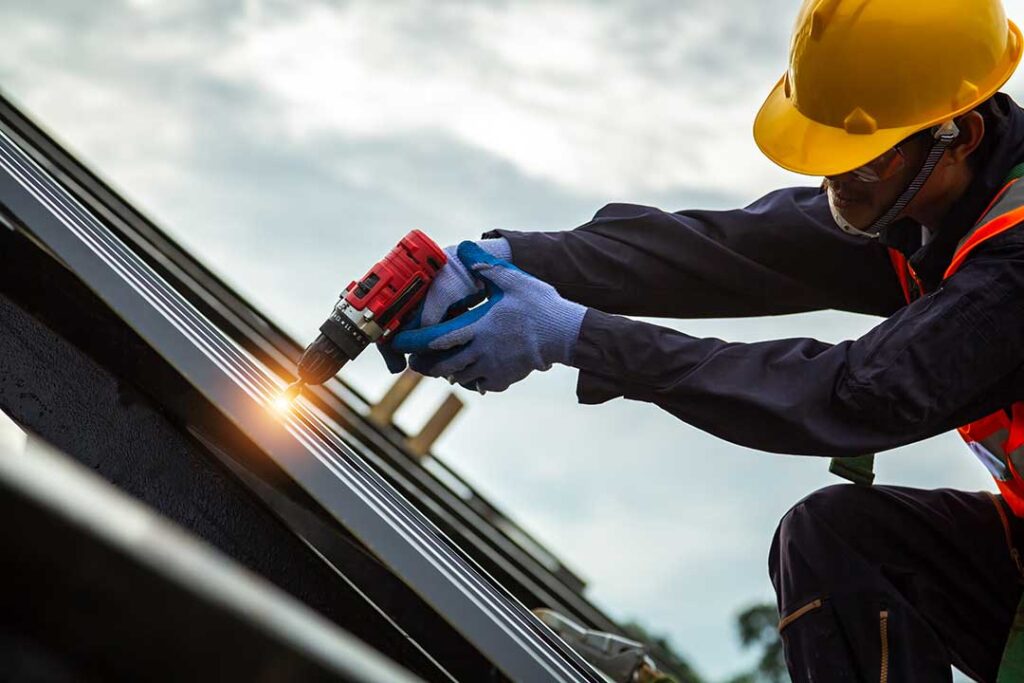
A roof does more than keep rain and snow out of a house. It also protects insulation, framing, ceilings, wiring, interior finishes, and personal belongings from moisture. Regular roof maintenance helps identify small problems before they become expensive repairs, especially in a climate with freeze-thaw cycles, heavy rain, snow, wind, and falling leaves.
For homeowners in Newfield, NY, roof care is best viewed as a seasonal form of home maintenance rather than an occasional response to a leak.
What does regular roof maintenance include?
Regular maintenance means checking the roof system, clearing drainage areas, watching for damage, and correcting minor issues before they spread. It does not mean walking on the roof frequently or attempting repairs in unsafe conditions.
A basic maintenance routine may include:
- Looking for missing, cracked, curled, or loose shingles from the ground or a safe vantage point
- Checking roof edges, valleys, flashing, and areas around vents or chimneys
- Removing leaves, sticks, and other debris from gutters and roof drainage areas
- Watching for sagging sections, dark stains, or moss growth
- Inspecting the attic for damp insulation, water marks, mold-like odors, or daylight visible through the roof
- Trimming branches that can scrape shingles or fall during storms
- Checking whether downspouts direct water away from the foundation
Maintenance should be performed from a ladder only when the ladder can be placed safely and securely. A roof surface may be slippery even when it appears dry, and steep slopes, ice, loose shingles, and hidden weak spots create fall hazards.
How does maintenance help prevent leaks?
Most roof leaks begin with a small weakness rather than a dramatic failure. A lifted shingle, deteriorated flashing seal, clogged gutter, or damaged vent boot may allow a limited amount of water into the roof assembly. That moisture can travel along rafters or roof decking before appearing as a ceiling stain far from the original entry point.
Routine inspections can identify conditions such as:
- Shingles damaged by wind or falling branches
- Exposed or rusting fasteners
- Cracked sealant around flashing
- Loose metal edging
- Debris collecting in valleys
- Gutters pulling away from the roofline
- Water backing up beneath ice or packed snow
Finding these issues early may limit the repair to a small area. If moisture remains trapped for months, it can damage wood sheathing, insulation, drywall, and interior paint.
A ceiling stain should not be treated as merely a cosmetic problem. Even if the stain dries, the source may still be active during the next storm or snowmelt.
Why is roof maintenance especially useful in this area?
Seasonal weather places repeated stress on roofing materials. Snow adds weight, wind can lift exposed shingle edges, and repeated freezing and thawing can widen small cracks. Spring rain may reveal damage that was not visible during winter, while summer heat can accelerate aging in roofing materials.
Properties with mature trees may face additional maintenance needs. Leaves and small branches can block gutters, retain moisture against roofing materials, and increase the amount of debris that reaches valleys and downspouts. Branches that touch the roof can also rub against shingles during windy conditions.
Older homes may have several roof penetrations, additions, dormers, or changes in roof slope. Each transition creates another location where flashing and drainage should be observed. These details do not automatically indicate a problem, but they deserve attention during inspections.
Can maintenance extend the life of a roof?
Yes. Maintenance cannot stop ordinary aging, but it can reduce avoidable damage that shortens a roof’s service life. A roof that drains properly and has intact flashing is less likely to experience premature deterioration than one exposed to standing debris and repeated moisture.
Maintenance may help preserve a roof by:
- Keeping water moving toward gutters and away from vulnerable joints
- Preventing small openings from expanding
- Reducing moisture exposure around roof edges and penetrations
- Limiting damage from overhanging branches
- Identifying ventilation or condensation concerns in the attic
- Addressing loose materials before wind removes larger sections
Roofing materials do not all age at the same rate. The expected service life depends on the material, installation quality, ventilation, slope, sun exposure, storm history, and maintenance record. Routine observation provides useful information about actual condition instead of relying only on an installation date.
What roof problems are easy to overlook?

Some warning signs are subtle because they may not produce an immediate leak. Granules collecting in gutters can indicate shingle wear. A small amount of moss may seem harmless, but persistent growth can hold moisture against roofing materials. Sagging gutters may prevent water from draining correctly even when the shingles appear sound.
Inside the home, overlooked signs include:
- Musty odors in an attic or upper-level room
- Peeling paint near ceilings
- Damp insulation
- Stains that grow after rain
- Increased indoor humidity during cold weather
- Frost or condensation on attic nails
- Small insects appearing near areas of moisture damage
Not every stain or odor proves that the roof is leaking. Attic ventilation, plumbing leaks, bathroom exhaust, and ice-related moisture can create similar symptoms. The useful response is to investigate the pattern and timing rather than assume the cause.
How often should a roof be checked?
A practical schedule is to look over the roof and drainage system in spring and fall, then inspect again after severe wind, heavy snowfall, or a major storm. Gutters may require additional attention during periods of active leaf fall.
A maintenance check is also sensible when:
- A new ceiling stain appears
- Shingles or pieces of flashing are found in the yard
- Gutters overflow during ordinary rainfall
- A tree limb strikes the roof
- The home has been vacant for an extended period
- Attic moisture or unusual odors develop
- Snow or ice accumulates unevenly along the roofline
Regular checks do not require climbing onto the roof. Binoculars, attic access, and observations from the ground can reveal many problems without creating unnecessary fall risk.
When does a roof problem require prompt attention?
Some conditions should not wait for a routine maintenance cycle. Active dripping, a large opening, major sagging, exposed underlayment, extensive shingle loss, or damage after a fallen tree can allow rapid water intrusion. Electrical fixtures near a leak add another safety concern.
During winter, large ice buildup or heavy snow should not be removed by walking on the roof or using improvised tools. Snow and ice can fall unexpectedly, damage gutters, or injure people below. Any work involving steep slopes, unstable surfaces, structural damage, or electrical hazards should be handled with appropriate safety training and equipment.
Regular maintenance is most useful when it becomes part of the household calendar. A short inspection in spring and fall, attention after severe weather, and prompt investigation of interior warning signs can help protect the roof and the rest of the home from preventable moisture damage.
