
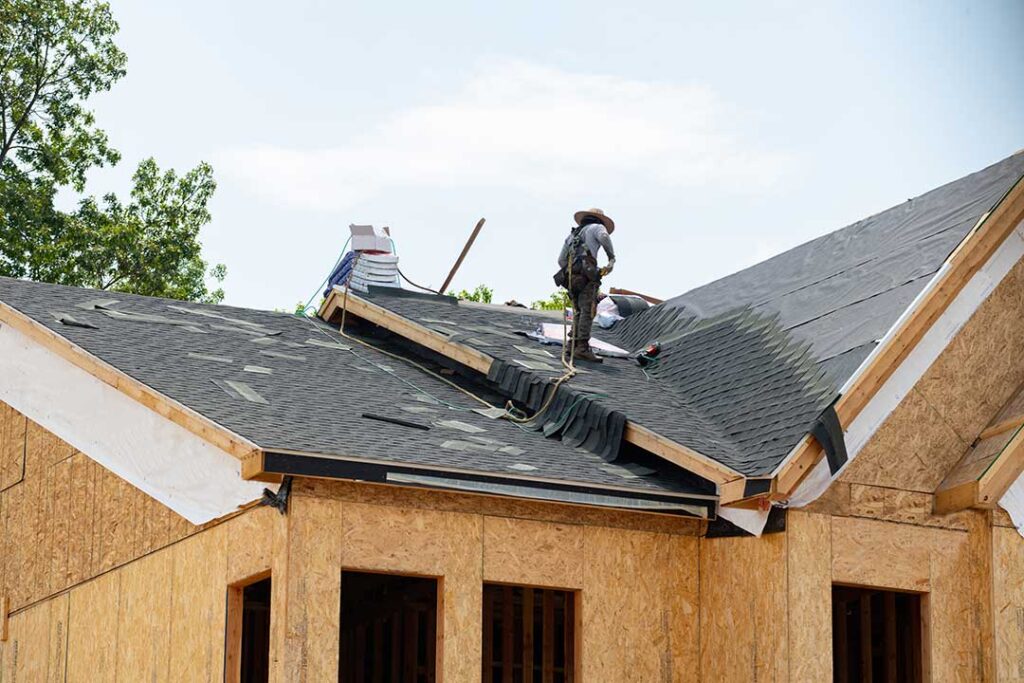
How Does Homeowner’s Insurance Cover Roof Damage?
Homeowner’s insurance typically helps pay for roof repairs or replacement if the damage is sudden and caused by events covered in your policy, like a windstorm or falling trees. Insurance generally does not cover roofs needing repair due to age, neglect, or normal wear.
In Newfield, sudden storms with heavy winds or debris can lead to insurance claims after roof damage. Common covered causes include:
- Hail and windstorms
- Lightning strikes
- Fire
- Falling trees or branches (from storms or ice accumulation)
Routine issues like slow moss build-up, shingle aging, or ice damming often aren’t covered. Insurers expect homeowners to perform regular maintenance.
What Do Insurance Companies Look for When Inspecting Roof Damage?
Insurance adjusters look for clear evidence the damage was caused by a covered event, not by lack of maintenance or gradual deterioration. They’ll check:
- The roof’s age—most insurers limit or reduce coverage for older roofs (often around 20 years)
- The condition of shingles, flashing, and underlayment
- Signs of leaks or interior water damage
- Whether the area around the roof appears maintained (gutters, nearby trees)
In Newfield, weather patterns like spring windstorms or winter ice can influence what’s considered “normal wear” versus “sudden damage.”
Are All Types of Roof Materials Treated the Same by Insurance?
No, roof material impacts insurance coverage. Asphalt shingles, metal, and slate are common in the area and each has unique coverage considerations:
- Asphalt shingles (typical in local homes) have a moderate lifespan (often about 20–25 years). Insurers may depreciate coverage as the roof ages.
- Metal or slate roofs are more durable but may be costlier to repair. Some insurers offer discounts for impact-resistant materials, especially given upstate New York weather.
It's vital for area residents to know what type of roof they have and how it might affect both premiums and claims.
Will an Old Roof Affect My Insurance Policy?
An aging roof can raise premiums, lower payouts, or make coverage harder to get. Many insurers in the community will:
- Require inspection of roofs older than 20 years
- Reduce the maximum amount paid for old or poorly maintained roofs (actual cash value instead of replacement cost)
- Request proof of repair or replacement before renewing policies
For homes in Newfield with historic or long-standing construction, policyholders may need to document roof maintenance and upgrades.
What Are Some Common Insurance Claim Issues for Roofs in This Area?
Policyholders sometimes assume any leak or ceiling stain will be covered, but insurers scrutinize the cause. Common claim problems include:
- Denial of claims for long-term leaks blamed on a lack of maintenance
- Lower payouts for older or already worn roofs
- Disputes about whether wind or snow load—not homeowner neglect—caused damage
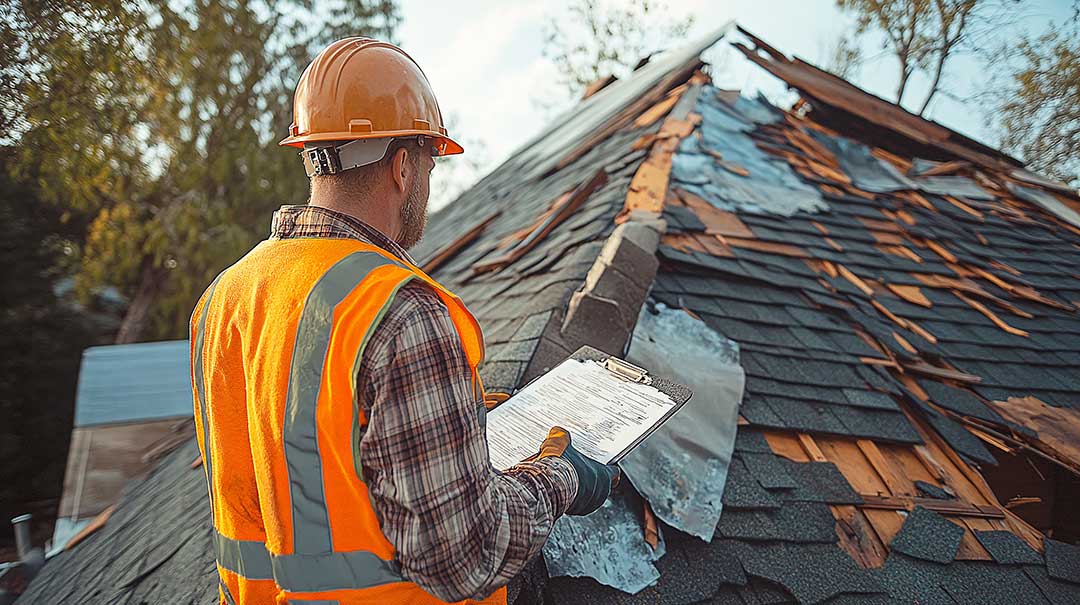
Homeowners should keep records of recent repairs, regular inspections, and any emergency actions taken after storms, as insurers may ask for documentation during the claims process.
What Should Residents Do After a Storm Damages Their Roof?
If a storm impacts your roof in the community, start with safety and documentation. Briefly:
- Take photos or videos of obvious damage
- Prevent further interior damage if safe to do so (such as covering holes with tarps)
- Note the date and weather event, as local storms are often well-documented and can support your claim
- Avoid making permanent repairs until an adjuster visits, unless you need to mitigate hazards
Documentation is crucial—insurers may doubt that water stains discovered long after a storm are directly related to that event.
Does Homeowner’s Insurance Cover Roof Leaks?
Leaks are only covered if caused by a sudden, accidental event listed in your policy. If melting snow, wind-driven rain, or falling debris create a new opening, you may have a claim. Ongoing leaks from clogged gutters or deteriorated flashing are considered maintenance issues and are not covered.
In Newfield, freeze-thaw cycles and ice dams on roofs can sometimes lead to sudden leaks. Insurers may cover these if structural damage was not preventable, but may deny claims if inadequate insulation or poor maintenance was a factor.
How Can Residents Maintain Good Coverage and Avoid Disputes?
Regular maintenance, clear documentation, and understanding policy details go a long way:
- Schedule an annual roof inspection, especially ahead of winter or severe storm seasons
- Keep gutters clear and trim trees close to your home to reduce storm risk
- Save photos of your roof’s condition each year to show its upkeep
- Review your policy’s specific exclusions for local hazards (wind, hail, weight of ice and snow)
If your home is older or your roof is nearing the end of its expected lifespan, check with your insurer about any requirements or recommendations for updates, as this can avoid last-minute claim denials.
