
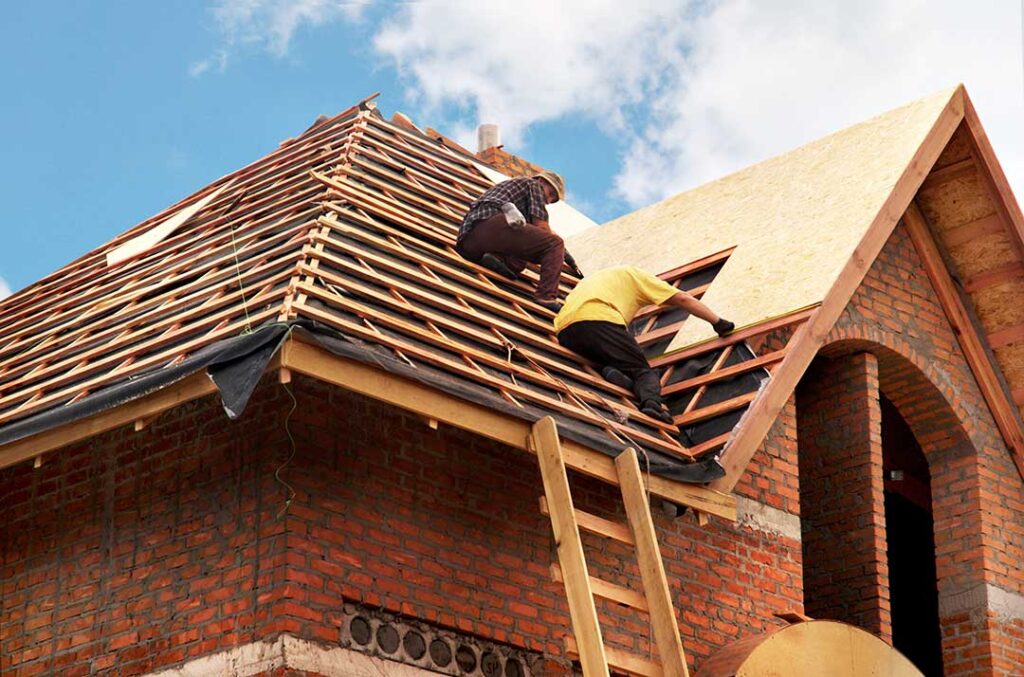
A roof inspection is a careful evaluation of a roof’s condition, drainage, flashing, ventilation, and surrounding components. It is different from a quick look at shingles from the ground because many developing problems begin in places that are not visible from the yard.
For homeowners in Newfield, NY, regular inspections are especially useful because roofs must withstand snow, ice, freeze-thaw cycles, heavy rain, wind, falling branches, and seasonal temperature changes. An inspection can help identify minor defects before they lead to interior water damage or larger repairs.
What does a roof inspection include?
A thorough roof inspection examines more than the shingles. The goal is to understand how the entire roofing system is performing.
An inspection commonly includes:
- Shingles, metal panels, or other roof coverings
- Valleys where two roof sections meet
- Flashing around chimneys, vent pipes, skylights, and wall intersections
- Gutters, downspouts, and roof drainage
- Eaves, soffits, and fascia
- Roof penetrations and ventilation openings
- Attic insulation, ventilation, moisture, and visible leaks
- Signs of sagging, rot, pests, or structural movement
- Areas around trees where branches may scrape or fall onto the roof
The inspection may be performed from the ground, from a ladder, from the roof surface when safe, and from inside the attic. A ground-level review can identify missing shingles or visible sagging, but it cannot reliably detect concealed flashing failures, soft decking, or moisture beneath the roofing materials.
How often should a roof be inspected?
Most homes benefit from an inspection at least once a year, along with an additional review after a significant storm or unusual weather event. Annual timing can vary, but late spring is often practical because winter conditions have passed and any damage can be identified before the wetter months.
An inspection may be needed sooner if:
- Water stains appear on ceilings or upper walls
- Shingles are missing, cracked, curled, or covered with loose granules
- Gutters contain an unusual amount of roofing material
- A roof section appears to sag
- Wind, hail, ice, or falling branches have affected the property
- Moss or organic growth is spreading across shaded roof areas
- The attic smells musty or feels damp
- Heating and cooling costs change without an obvious explanation
A newer roof does not always eliminate the need for inspection. Installation defects, storm damage, blocked ventilation, and flashing problems can occur at any age.
Why are roof inspections useful after winter?
Winter can expose roofing weaknesses that were not obvious in the fall. Snow and ice add weight, while repeated freezing and thawing can enlarge small openings around flashing, fasteners, and roof edges.
Ice buildup near eaves can also interfere with drainage. When melting snow cannot flow normally, water may move beneath roofing materials and enter the attic or wall system. The visible interior stain may appear far from the actual entry point, which is why simply painting over a ceiling mark does not address the underlying problem.
After winter, homeowners should pay particular attention to:
- Lifted or displaced shingles
- Damaged drip edges
- Loose flashing around chimneys and roof penetrations
- Gutter sections pulling away from the roofline
- Damp insulation or darkened roof decking in the attic
- Sagging near valleys or areas that hold snow
- Broken branches resting on or near the roof
What can homeowners safely check themselves?
A homeowner can perform a limited visual review from the ground and from accessible interior areas. The safest approach is to avoid walking on the roof, especially when surfaces are wet, icy, steep, or covered with moss.
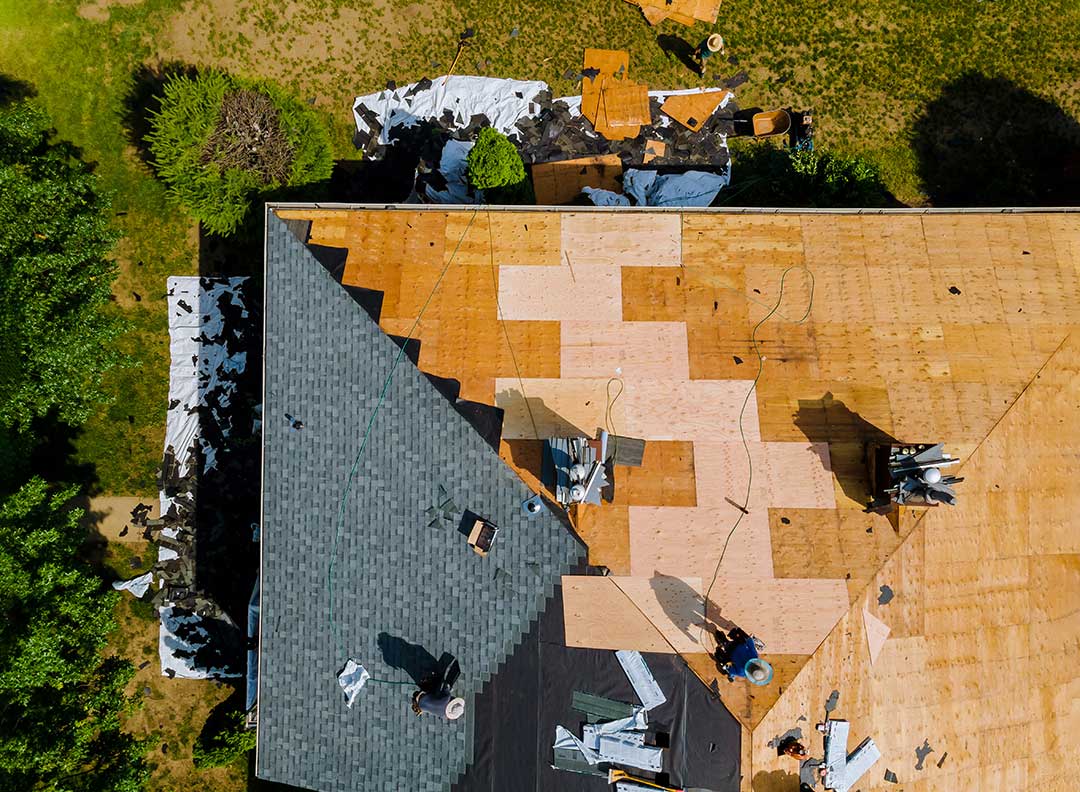
From the ground, look for:
- Uneven roof lines
- Missing or visibly damaged shingles
- Exposed underlayment or roof decking
- Rusted, bent, or displaced flashing
- Excessive moss or debris
- Gutters that sag or overflow during rain
- Daylight visible at roof edges or through attic openings
Inside the attic, use a flashlight to look for water stains, wet insulation, mold-like growth, rusted nails, or darkened wood. Check after rainfall if possible, because some leaks only become apparent when water is actively moving through the system.
A ground or attic review is useful for spotting warning signs, but it does not replace a complete inspection when the roof is difficult to see or access.
What is the difference between a roof inspection and a roof estimate?
A roof inspection evaluates condition. An estimate discusses the expected cost of work. These are separate activities and should not be confused.
An inspection report should describe observed conditions, possible causes, areas that could not be examined, and whether a problem appears urgent or suitable for monitoring. A cost estimate may be based on that information, but pricing alone does not prove that a roof needs replacement.
Homeowners should be cautious of statements that rely only on roof age. Age can provide useful context, but the actual condition of the shingles, flashing, decking, ventilation, and drainage is more important than a number by itself.
How can roof problems be prioritized?
Not every defect requires immediate action. A practical inspection separates conditions into categories.
Urgent conditions may include active interior leaks, major structural sagging, large openings, exposed decking, or extensive storm damage. These conditions can allow water to spread quickly or create safety concerns.
Near-term repairs may include damaged flashing, isolated missing shingles, blocked drainage, deteriorated sealant, or small areas of exposed fasteners. These issues may not be causing visible damage yet, but they can worsen with the next storm or freeze-thaw cycle.
Monitoring items may include minor granule loss, light surface aging, small areas of moss, or older but functional components. Monitoring should include a specific plan, such as checking the area after severe weather and recording whether the condition changes.
Photographs and dated notes are helpful. They allow homeowners to compare conditions over time and distinguish gradual aging from new storm damage.
What overlooked factors affect roof performance?
Ventilation and drainage are two commonly overlooked factors. A roof can have serviceable shingles and still experience premature deterioration if warm, moist attic air cannot escape. Poor ventilation may contribute to condensation, damp insulation, mold-like growth, and deterioration of roof decking.
Drainage problems can be equally damaging. Gutters filled with leaves, downspouts that discharge too close to the foundation, and valleys blocked by debris can cause water to back up against roof edges or flow into vulnerable areas.
Trees also deserve attention. Branches that touch the roof can scrape protective surfaces during windy conditions. Overhanging limbs can drop leaves and twigs into gutters, while dead branches may become a hazard during storms. Tree-related risks should be evaluated from the ground, without climbing onto the roof or using unstable ladders.
When is professional evaluation necessary?
A qualified roof inspector or roofing contractor is appropriate when the roof is steep, damaged, difficult to access, or associated with interior leaks. Professional evaluation is also warranted when there are signs of structural movement, widespread deterioration, electrical hazards near water intrusion, or suspected concealed damage.
Safety is the main reason not to conduct a roof inspection personally. Wet shingles, frost, moss, ladders, and uneven surfaces create fall risks. Homeowners should also avoid entering an attic if the floor is not designed for walking, insulation obscures the framing, or electrical and structural conditions are uncertain.
For area households, a sensible inspection routine is a visual ground check during spring and fall, an attic review when warning signs appear, and a more detailed inspection after major weather events or before significant roofing decisions.
